A COMPREHENSIVE GUIDE TO: (INTEREST-BASED) SOCIAL MEDIA MARKETING VS (INTENT-BASED) SEARCH ENGINE MARKETING
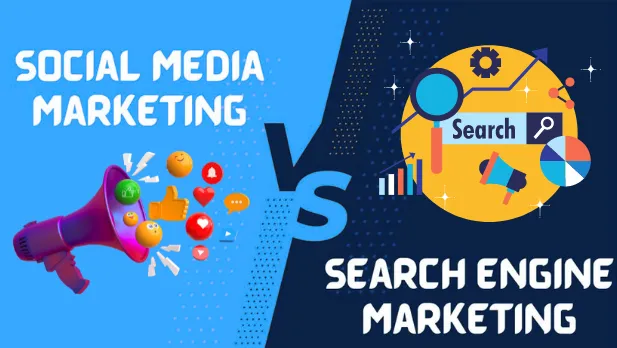
Two potent tactics have arisen in the rapidly changing field of digital marketing: selective romotion, which focuses on the intent of the customer, and social media marketing, which targets the interests of the consumer. Despite having similar goal settings that aim to capture the udience's interest, generate leads, and encourage conversion, the two approaches differ greatly in their characteristics. Therefore, it is essential to differentiate between the two and choose the kind of marketing plan that will work best for your company.
Additionally, intent-based search engine marketing and interest-based social media marketing will be covered in this tutorial, along with their benefits and drawbacks, as well as when to employ each. You will be able to distinguish between each and make the most of each at the end of this guide.
THE FOLLOWING ARE SOME OF THE QUESTIONS THAT COME UP WITH (INTEREST-BASED) SOCIAL MEDIA MARKETING:
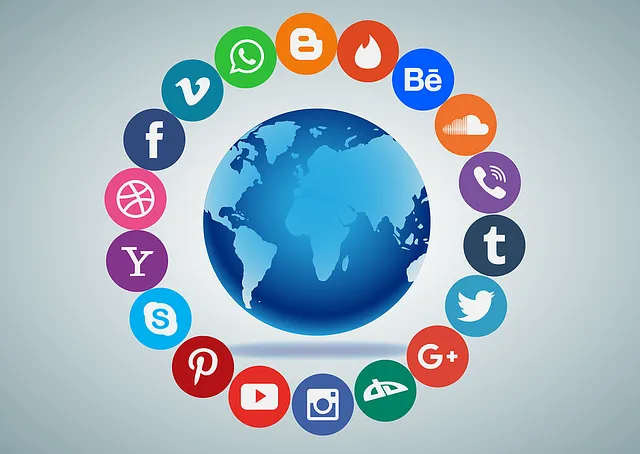
Social media marketing entails reaching out to and engaging with customers on websites like Facebook, Instagram, YouTube, and LinkedIn. The fundamental tenet of interest-based targeting is that members of social networks are presented advertisements based on their activity, likes, and other interactions rather than deliberately seeking out a specific good, service, or solution.
For example, when a user uses the application, it gathers data on the content they have liked, followed, or shared. It then sells this information to marketers and shows them ads based on their interests. These advertisements are essentially directed towards viewers who show interest in the topics they are advertising on, even if they are not specifically seeking for anything. It works especially well for anyone who want to start marketing a new product or service, increase their visibility, or promote an existing one.
SOCIAL MEDIA MARKETING ADVANTAGES INCLUDE: WHY USE SOCIAL MEDIA FOR MARKETING PURPOSE?
• Broader Reach: A social media platform can connect with a sizable number of prospective clients or customers.
• Interest-Based Ads: These allow advertisers to target particular demographics or patterns of behavior in the general public.
• Engagement Opportunities: Social media platforms give users the ability to interact directly with real customers by allowing them to like, share, and comment on content.
TYPICAL OBSTACLES:
• Lower Purchase Intent: As a result, conversion rates are lower than on intent-based PPA platforms, where consumers actively search for things, as they are not specifically shopping for anything.
• Ad Fatigue: Excessive exposure to identical advertisements may make viewers unresponsive, which lowers engagement rates.
WHAT IS INTENT-BASED SEARCH ENGINE MARKETING (SEM)?
Users that are looking for goods, services, or a way to solve their problems are another group of people that Search Engine Marketing (SEM) focuses on. With search engine marketing (SEM), an advertiser can place their ad in front of users depending on the queries they enter into search engines like Google, Bing, and Yahoo. Since the strategy targets people who are more likely to seek for a certain piece of information or make a purchase, it can be referred to as intent-based search engine marketing. The target consumer is someone who searches for "best SEO strategy," for example, because they are inclined to explore the topic or purchase SEO services. SEM is most beneficial for small businesses that target buyers who are willing to take action related to the type of business, according to a thorough review of the instrument.
ADVANTAGES OF SEARCH ENGINE MARKETING:
as it promotes products, why not make use of it? The following are some advantages of search engine marketing:
• High Conversion prospective: Compared to clicks made at random, visitors with explicit search intent are prospective consumers.
• Precision targeting: By using keywords, demographics, or places, target audiences can be identified with previously unheard-of precision.
• Measurable Outcomes: Google Analytics and other similar platforms make it simple for advertisers to monitor and improve their campaigns.
TYPICAL OBSTACLES:
• Cost: Search engine marketing campaigns may be expensive, particularly when it comes to highly competitive keywords.
• Complexity: This refers to the fact that integrating and improving PPC campaigns is an ongoing process that demands consistent attention and expert understanding of topics like intent-based SEO positioning.
SEO VS SOCIAL MEDIA MARKETING: THE GREAT DEBATE
is a current discussion since these two popular and modern marketing tactics are similar, and marketing experts typically can't decide between the two extremes when comparing which is superior. Let's dissect it even more: This is the current situation, therefore allow me to elaborate:
• SEO, or search engine optimization, focuses on optimizing material specifically for search engines and other sophisticated systems like Google. It is a long-term strategy designed to sell consumers with instruments for targeted intent marketing.
• Social media marketing targets individuals on Facebook or Instagram, for instance, even if they may not be actively searching for a product.
Verse: Social media is more about the channels users become interested in, but SEO is a long-term strategy that helps to establish people's trust by primarily focusing on intent.
Although both approaches are effective, they have different goals:
• SEO: Provide steady, high-quality traffic to the website.
• Social media: Promotes communication and raises user awareness of nearby brands.
GOOGLE ADS VS FACEBOOK ADS: PICK YOUR WEAPON
When it comes to advertising, Facebook vs. Google Ads must be the decision between two platforms. Both platforms demonstrate that companies can reach their intended clientele by employing various strategies.
• Because interest targeting allows businesses to target users based just on their Facebook activities and interests, it is the primary selling point of Facebook ads. Since the brand is likely to receive plenty of publicity when employed as a discovery method, these usually function well for raising awareness.
• Google Ad Words, naturally, are dependent on keyword searches. 67% of visitors use search engines for specific purposes; by showing your ad at the top of search engine results pages (SERPs), you may advertise to this audience.
Verse: Google searchers know what they want, while Facebook fans are captivated by what they see.
Businesses may bridge the gap and appeal to customers at various phases of the funnel, though, when they integrate.


HOW DOES INTEREST-BASED TARGETING WORK? DESCRIBE THE CHANGE MECHANISMS
Advertisements are displayed to people based on their interests and online behavior through interest- or behavioral-based targeting. For example, when someone uses their account to follow fitness-related information, they may receive adverts for programs or training gear even though they haven't specifically looked for them.
This kind of targeting works especially well on social media sites like Facebook and Instagram. Businesses that use interest-based social media marketing can create advertisements that are more enticing and more targeted.
TECHNIQUES FOR INTENT-BASED MARKETING: IT FOCUSES ON IDENTIFYING READY BUYERS
and how to get them in the right methods. Other precise marketing techniques make reference to the particular objective of the searcher. According to the argument, advertisers create highly customized adverts according to the demands of the user, making the ad more pertinent to the user's search.
For example, it is simpler to close a deal with someone who searches for "buy running shoes online" as opposed to a random fitness enthusiast.
Verse: Curiosity is sparked by interest, but it becomes active with intent.
Intent-based search engine marketing targets visitors at the precise moment when they are most likely to convert, whereas interest-based ads pique users' curiosity.
COMBINING SEARCH ENGINE MARKETING WITH SOCIAL MEDIA
While it is possible to choose between interest-based and intent-based advertising strategies, it is ideal to use both since they offer the best of both worlds. Let's emphasize how social and search advertising can work in tandem to help businesses reach clients at every point of the buying process.
For example, to increase brand recognition on social media, a small-business marketer can use interest-based targeting on Facebook or Instagram or personalized marketing. Through SEO rather than social media marketing, SEM can attract people with a higher buy intent after raising brand recognition.
The lyric reads, "Together they win; intent harvests the sale, interest plants the seed."
FINDING YOUR BALANCE IN CONCLUSION
Thus, the ultimate business goal and the target audience will determine whether to utilize search engine marketing or social media marketing. While intent-based SEO targets customers who are prepared to buy, interest-based targeting works well for increasing brand awareness and drawing in new audiences.
Verse: Interest and intent, which both portend success, echo the sentiment of the marketing dance.
To create a balanced and successful digital marketing plan that produces the desired outcomes, it is crucial to comprehend the advantages of each of these methods and, wherever practical, combine them.

A COMPREHENSIVE GUIDE TO: (INTEREST-BASED) SOCIAL MEDIA MARKETING VS (INTENT-BASED) SEARCH ENGINE MARKETING
Two potent tactics have arisen in the rapidly changing field of digital marketing: selective romotion, which focuses on the intent of the customer, and social media marketing, which targets the interests of the consumer. Despite having similar goal settings that aim to capture the udience's interest, generate leads, and encourage conversion, the two approaches differ greatly in their characteristics. Therefore, it is essential to differentiate between the two and choose the kind of marketing plan that will work best for your company.
Additionally, intent-based search engine marketing and interest-based social media marketing will be covered in this tutorial, along with their benefits and drawbacks, as well as when to employ each. You will be able to distinguish between each and make the most of each at the end of this guide.
THE FOLLOWING ARE SOME OF THE QUESTIONS THAT COME UP WITH (INTEREST-BASED) SOCIAL MEDIA MARKETING:
Social media marketing entails reaching out to and engaging with customers on websites like Facebook, Instagram, YouTube, and LinkedIn. The fundamental tenet of interest-based targeting is that members of social networks are presented advertisements based on their activity, likes, and other interactions rather than deliberately seeking out a specific good, service, or solution.
For example, when a user uses the application, it gathers data on the content they have liked, followed, or shared. It then sells this information to marketers and shows them ads based on their interests. These advertisements are essentially directed towards viewers who show interest in the topics they are advertising on, even if they are not specifically seeking for anything. It works especially well for anyone who want to start marketing a new product or service, increase their visibility, or promote an existing one.
SOCIAL MEDIA MARKETING ADVANTAGES INCLUDE: WHY USE SOCIAL MEDIA FOR MARKETING PURPOSE?
• Broader Reach: A social media platform can connect with a sizable number of prospective clients or customers.
• Interest-Based Ads: These allow advertisers to target particular demographics or patterns of behavior in the general public.
• Engagement Opportunities: Social media platforms give users the ability to interact directly with real customers by allowing them to like, share, and comment on content.
TYPICAL OBSTACLES:
• Lower Purchase Intent: As a result, conversion rates are lower than on intent-based PPA platforms, where consumers actively search for things, as they are not specifically shopping for anything.
• Ad Fatigue: Excessive exposure to identical advertisements may make viewers unresponsive, which lowers engagement rates.
WHAT IS INTENT-BASED SEARCH ENGINE MARKETING (SEM)?
Users that are looking for goods, services, or a way to solve their problems are another group of people that Search Engine Marketing (SEM) focuses on. With search engine marketing (SEM), an advertiser can place their ad in front of users depending on the queries they enter into search engines like Google, Bing, and Yahoo. Since the strategy targets people who are more likely to seek for a certain piece of information or make a purchase, it can be referred to as intent-based search engine marketing. The target consumer is someone who searches for "best SEO strategy," for example, because they are inclined to explore the topic or purchase SEO services. SEM is most beneficial for small businesses that target buyers who are willing to take action related to the type of business, according to a thorough review of the instrument.
ADVANTAGES OF SEARCH ENGINE MARKETING:
as it promotes products, why not make use of it? The following are some advantages of search engine marketing:
• High Conversion prospective: Compared to clicks made at random, visitors with explicit search intent are prospective consumers.
• Precision targeting: By using keywords, demographics, or places, target audiences can be identified with previously unheard-of precision.
• Measurable Outcomes: Google Analytics and other similar platforms make it simple for advertisers to monitor and improve their campaigns.
TYPICAL OBSTACLES:
• Cost: Search engine marketing campaigns may be expensive, particularly when it comes to highly competitive keywords.
• Complexity: This refers to the fact that integrating and improving PPC campaigns is an ongoing process that demands consistent attention and expert understanding of topics like intent-based SEO positioning.
SEO VS SOCIAL MEDIA MARKETING: THE GREAT DEBATE
is a current discussion since these two popular and modern marketing tactics are similar, and marketing experts typically can't decide between the two extremes when comparing which is superior. Let's dissect it even more: This is the current situation, therefore allow me to elaborate:
• SEO, or search engine optimization, focuses on optimizing material specifically for search engines and other sophisticated systems like Google. It is a long-term strategy designed to sell consumers with instruments for targeted intent marketing.
• Social media marketing targets individuals on Facebook or Instagram, for instance, even if they may not be actively searching for a product.
Verse: Social media is more about the channels users become interested in, but SEO is a long-term strategy that helps to establish people's trust by primarily focusing on intent.
Although both approaches are effective, they have different goals:
• SEO: Provide steady, high-quality traffic to the website.
• Social media: Promotes communication and raises user awareness of nearby brands.
GOOGLE ADS VS FACEBOOK ADS: PICK YOUR WEAPON
When it comes to advertising, Facebook vs. Google Ads must be the decision between two platforms. Both platforms demonstrate that companies can reach their intended clientele by employing various strategies.
• Because interest targeting allows businesses to target users based just on their Facebook activities and interests, it is the primary selling point of Facebook ads. Since the brand is likely to receive plenty of publicity when employed as a discovery method, these usually function well for raising awareness.
• Google Ad Words, naturally, are dependent on keyword searches. 67% of visitors use search engines for specific purposes; by showing your ad at the top of search engine results pages (SERPs), you may advertise to this audience.
Verse: Google searchers know what they want, while Facebook fans are captivated by what they see.
Businesses may bridge the gap and appeal to customers at various phases of the funnel, though, when they integrate.
HOW DOES INTEREST-BASED TARGETING WORK? DESCRIBE THE CHANGE MECHANISMS
Advertisements are displayed to people based on their interests and online behavior through interest- or behavioral-based targeting. For example, when someone uses their account to follow fitness-related information, they may receive adverts for programs or training gear even though they haven't specifically looked for them.
This kind of targeting works especially well on social media sites like Facebook and Instagram. Businesses that use interest-based social media marketing can create advertisements that are more enticing and more targeted.
TECHNIQUES FOR INTENT-BASED MARKETING: IT FOCUSES ON IDENTIFYING READY BUYERS
and how to get them in the right methods. Other precise marketing techniques make reference to the particular objective of the searcher. According to the argument, advertisers create highly customized adverts according to the demands of the user, making the ad more pertinent to the user's search.
For example, it is simpler to close a deal with someone who searches for "buy running shoes online" as opposed to a random fitness enthusiast.
Verse: Curiosity is sparked by interest, but it becomes active with intent.
Intent-based search engine marketing targets visitors at the precise moment when they are most likely to convert, whereas interest-based ads pique users' curiosity.
COMBINING SEARCH ENGINE MARKETING WITH SOCIAL MEDIA
While it is possible to choose between interest-based and intent-based advertising strategies, it is ideal to use both since they offer the best of both worlds. Let's emphasize how social and search advertising can work in tandem to help businesses reach clients at every point of the buying process.
For example, to increase brand recognition on social media, a small-business marketer can use interest-based targeting on Facebook or Instagram or personalized marketing. Through SEO rather than social media marketing, SEM can attract people with a higher buy intent after raising brand recognition.
The lyric reads, "Together they win; intent harvests the sale, interest plants the seed."
FINDING YOUR BALANCE IN CONCLUSION
Thus, the ultimate business goal and the target audience will determine whether to utilize search engine marketing or social media marketing. While intent-based SEO targets customers who are prepared to buy, interest-based targeting works well for increasing brand awareness and drawing in new audiences.
Verse: Interest and intent, which both portend success, echo the sentiment of the marketing dance.
To create a balanced and successful digital marketing plan that produces the desired outcomes, it is crucial to comprehend the advantages of each of these methods and, wherever practical, combine them.