
WHAT IS A FUNNEL? AND TYPES OF FUNNELS: A COMPLETE GUIDE
When it comes to digital strategies, the funnel is the key idea that helps to explain how potential customers change from being mere observers of a business to actually becoming buyers. It is useful as a visual tool where it presents the various stages through which your audience goes through. No matter if you are just introducing your brand or aiming at the lead acquisition, or conversion, funnels manage this process algorithmically. So in this new blog, let me explain to you what a funnel is, the different forms of it and their uses.
WHAT IS A FUNNEL?
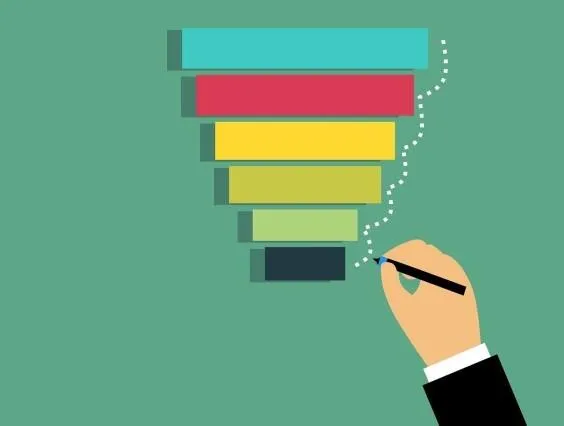
A funnel is thus a set of stages in the conversion process that is supposed to help the buyer complete a specific task, be it to sign up for a certain service, purchase a particular product or receive the newsletter of a certain company. The term "funnel" is used because it narrows down as you move through the stages: Thus, what for many others begins at the top, culminates only into becoming a buyer.
It is also important to understand that there are several various kinds of funnels, which is adjusted to particular goals of a business. Knowledge of these differences is important to assist the companies in adjusting how they acquire, cultivate, and convert the leads.

TYPES OF FUNNELS
Various funnels can be oriented for individual objectives or fields of activities. Thus, some of the most featured types and their purpose, and how they work will be discussed here.
1. LEAD GENERATION FUNNEL
A Lead Generation Funnel works by collecting data of a potential customer and as a result of this, they are likely to offer them something of value such as a free guide or webinar. In this approach it is mainly used to capture email addresses of the qualifiable leads for later follow up through several communications.
Purpose:
This funnel is particularly useful for companies that want to build a list of contacts for future business communications. They use it in business to business services, online coaching centers, software as a service business and many other types of industries.
How it Works:
The concept behind lead generation funnel is usually an offer that is made on social media or through an advertisement. The users are then taken to another web page where they have to fill their personal information to access the resource. Later on, they transition into a bonding phase where emails or a follow-up INCLUDE them into the basic service offering.
2. PRODUCT LAUNCH FUNNEL
A Product Launch Funnel builds awareness and anticipation before a new product or service is introduced into the market. It creates suspense through preview, trailer, and trial that may be for a limited time only.
Purpose:
This type of funnel is particularly applicable to business firms, which are introducing a new product in the market. They find it extremely beneficial because it’s regularly utilized by e-commerce stores, software companies, and even those who create online courses in order to increase the rate of pre-orders.
How it Works:
Other common stages of a product launch funnel include teaser campaign where businesses share insights or early features of the product. It can be achieved through a series of emails or posts on platforms such as Facebook, Instagram among others. For use on an upcoming product, the possibility of making an offer that is only available for, let’s say, first week will create the feelings of urgency.
3. THE CONVERSION FUNNEL STAGES
The Conversion Funnel model is about going through a number of steps, from the initial moment, where a customer comes across a given product, to purchasing a product.
Purpose:
This funnel makes it easy to take prospects through the buying process because it is very easy to use. It is well suited for both cheap and expensive items.
How it Works:
Traditional conversion funnel begins with awareness, where the clients become aware of your brand or company, and their interest, where they discover the products or services you offer. They decide at the decision stage and may purchase. Then, finally, there is a final decision to make the actual purchase and this is called the action stage.

4. WEBINAR FUNNEL
A Webinar Funnel is simply a way of getting the leads to attend a live or recorded session with you. Webinars can also be used to provide the viewer with some kind of value immediately, or even just assert the position of the business as authoritative in it’s respective industry.
Purpose:
This funnel is ideal for service businesses, coaching businesses or educational businesses that provide informative content for building trust.
How it Works:
The simple webinar funnel starts with a registration page where users require to fill in before they can attend the webinar. Following the said webinar, the attendees are offered a special promotion in form of a link or prompt to perform another objective, then the follow-up email campaign for the non-purchasers is sent.

5. EMAIL FUNNEL
An Email Funnel maintains relationships with the leads by sending them valuable information through emails in a systematically organized series of email messages.
Purpose:
This funnel is ideal for industries with larger sales cycles, or large-ticket items, where the purchase decision making process will take longer.
How it Works:
A lead can be acquired through a lead magnet funnel and then put through an email program by a business. In the long run, emails share tips, success stories, and details with the hope of changing the lead into a buyer.
6. SMALL BUSINESS FUNNEL
Small business owners are able to take advantage of the Small Business Funnel specific for their industry. All these funnels are built primarily for direct purchase and the expansion of customer lists.
Purpose:
A small business funnel is designed to maintain the process of converting visitors into buyers by following a straight forward process that will enhance customer needs.
How it Works:
This is how it works: First, getting attention, encouraging engagement and then through web banners, follow-up e-mails and more, getting the first sale or response. It means that when potential buyers get to the final stage of the funnel, they are prepared to buy.

7. LEAD MAGNET FUNNEL
A Lead Magnet Funnel helps capture the potential customers by providing the leads with valuable content or resources to get access to their details.
Purpose:
This funnel is good for the creation of a list of potential clients who may be interested in the certain product or particular service. This is especially popular with digital marketing agencies, course creation platforms, and SaaS businesses.
How it Works:
A lead magnet funnel consists of an opt-in form as well as a thank you page. This is done once users have entered their email address, you then deliver the promised resource and continue engaging with them.
8. SQUEEZE PAGE FUNNEL
A Squeeze Page Funnel is a basic funnel, which supposed to make one specific action – to capture a lead’s contact information, most commonly, an email address. The purpose is to ‘force’ the visitor to disclose their information in order to receive something of worth in return, for instance, a free resource, map or deal.
Purpose:
The funnel described above is great for rapidly growing your list of subscribers on the Newsletter. This is mostly applied in businesses that engage in creating awareness through inbound marketing through the use of emails such as online coaching businesses, consultation, or businesses that sell digital products.
How it Works:
A squeeze page funnel consists of a minimalist landing page that has only one goal: to obtain the visitor’s email. The offer can be something that is informational, usually an eBook or a checklist, or an offer of a discount. Once the lead agrees to the marketing communication, he or she is placed on an email list for future business, thus leading to more business in the future.
9. AUTOMATED FUNNEL
Automated Funnel is a concept that enables direct sellers to turn leads into customers without having to intervene actively.
Purpose:
This funnel is suitable for businesses that need to expand but do not want to add more work for their employees. It includes lead management, nurturing, and closing by automation.
How it Works:
An automated funnel is a process that utilizes tools which encompass emails, leads and closing of deals all done automatically. After the lead capture process is put up, it becomes almost possible to create, nurture, and convert more and more of the potential customer without necessarily having to engage in a lot of manual work.
10. MEMBERSHIP FUNNEL
Membership Funnel is marketing tool which is aimed to transform potential buyer into a paid member or subscriber of a certain list. This type of a funnel is especially used by companies that provide services or products which customers can subscribe to or buy regularly such as content, courses or membership.
Purpose:
The membership funnel is most suitable for industries whose products have a continual application or use, for instance, online learning, coaching services or, subscription to content. This enables the change of first time visitors to members or subscribers in the site.
How it Works:
This funnel is usually used by providing free content or trial to the interested members of that platform. Following a user’s interaction with ad hoc free content, the system offers the user an opportunity to become a paid subscriber and/or contribution to the paid subscribers’ pool in order to gain full or partial access to more content/materials/benefits or services. This funnel may contain convincing factors like, success stories, time-sensitive offers, or free gifts to use in the subscription.
CONCLUSION
Knowledge about the way of how the funnel is constructed and choosing the proper type will help to enhance the conversion rate and sales results in digital marketing. No matter whether your objectives are lead generation, product launch, or sales process optimization, the appropriate funnel will direct potential customers and enhance your revenue. Depending on the type of conversion, different options should be chosen and optimized for a specific business.
With the right digital marketing plan in place and these funnel optimization tips, a business can create effective funnels that help it transform leads into paying customers and spur growth in a growingly saturated economic environment.
WHAT IS A FUNNEL? AND TYPES OF FUNNELS: A COMPLETE GUIDE
When it comes to digital strategies, the funnel is the key idea that helps to explain how potential customers change from being mere observers of a business to actually becoming buyers. It is useful as a visual tool where it presents the various stages through which your audience goes through. No matter if you are just introducing your brand or aiming at the lead acquisition, or conversion, funnels manage this process algorithmically. So in this new blog, let me explain to you what a funnel is, the different forms of it and their uses.
WHAT IS A FUNNEL?
A funnel is thus a set of stages in the conversion process that is supposed to help the buyer complete a specific task, be it to sign up for a certain service, purchase a particular product or receive the newsletter of a certain company. The term "funnel" is used because it narrows down as you move through the stages: Thus, what for many others begins at the top, culminates only into becoming a buyer.
It is also important to understand that there are several various kinds of funnels, which is adjusted to particular goals of a business. Knowledge of these differences is important to assist the companies in adjusting how they acquire, cultivate, and convert the leads.
TYPES OF FUNNELS
Various funnels can be oriented for individual objectives or fields of activities. Thus, some of the most featured types and their purpose, and how they work will be discussed here.
1. LEAD GENERATION FUNNEL
A Lead Generation Funnel works by collecting data of a potential customer and as a result of this, they are likely to offer them something of value such as a free guide or webinar. In this approach it is mainly used to capture email addresses of the qualifiable leads for later follow up through several communications.
Purpose:
This funnel is particularly useful for companies that want to build a list of contacts for future business communications. They use it in business to business services, online coaching centers, software as a service business and many other types of industries.
How it Works:
The concept behind lead generation funnel is usually an offer that is made on social media or through an advertisement. The users are then taken to another web page where they have to fill their personal information to access the resource. Later on, they transition into a bonding phase where emails or a follow-up INCLUDE them into the basic service offering.
2. PRODUCT LAUNCH FUNNEL
A Product Launch Funnel builds awareness and anticipation before a new product or service is introduced into the market. It creates suspense through preview, trailer, and trial that may be for a limited time only.
Purpose:
This type of funnel is particularly applicable to business firms, which are introducing a new product in the market. They find it extremely beneficial because it’s regularly utilized by e-commerce stores, software companies, and even those who create online courses in order to increase the rate of pre-orders.
How it Works:
Other common stages of a product launch funnel include teaser campaign where businesses share insights or early features of the product. It can be achieved through a series of emails or posts on platforms such as Facebook, Instagram among others. For use on an upcoming product, the possibility of making an offer that is only available for, let’s say, first week will create the feelings of urgency.
3. THE CONVERSION FUNNEL STAGES
The Conversion Funnel model is about going through a number of steps, from the initial moment, where a customer comes across a given product, to purchasing a product.
Purpose:
This funnel makes it easy to take prospects through the buying process because it is very easy to use. It is well suited for both cheap and expensive items.
How it Works:
Traditional conversion funnel begins with awareness, where the clients become aware of your brand or company, and their interest, where they discover the products or services you offer. They decide at the decision stage and may purchase. Then, finally, there is a final decision to make the actual purchase and this is called the action stage.
4. WEBINAR FUNNEL
A Webinar Funnel is simply a way of getting the leads to attend a live or recorded session with you. Webinars can also be used to provide the viewer with some kind of value immediately, or even just assert the position of the business as authoritative in it’s respective industry.
Purpose:
This funnel is ideal for service businesses, coaching businesses or educational businesses that provide informative content for building trust.
How it Works:
The simple webinar funnel starts with a registration page where users require to fill in before they can attend the webinar. Following the said webinar, the attendees are offered a special promotion in form of a link or prompt to perform another objective, then the follow-up email campaign for the non-purchasers is sent.
5. EMAIL FUNNEL
An Email Funnel maintains relationships with the leads by sending them valuable information through emails in a systematically organized series of email messages.
Purpose:
This funnel is ideal for industries with larger sales cycles, or large-ticket items, where the purchase decision making process will take longer.
How it Works:
A lead can be acquired through a lead magnet funnel and then put through an email program by a business. In the long run, emails share tips, success stories, and details with the hope of changing the lead into a buyer.
6. SMALL BUSINESS FUNNEL
Small business owners are able to take advantage of the Small Business Funnel specific for their industry. All these funnels are built primarily for direct purchase and the expansion of customer lists.
Purpose:
A small business funnel is designed to maintain the process of converting visitors into buyers by following a straight forward process that will enhance customer needs.
How it Works:
This is how it works: First, getting attention, encouraging engagement and then through web banners, follow-up e-mails and more, getting the first sale or response. It means that when potential buyers get to the final stage of the funnel, they are prepared to buy.
7. LEAD MAGNET FUNNEL
A Lead Magnet Funnel helps capture the potential customers by providing the leads with valuable content or resources to get access to their details.
Purpose:
This funnel is good for the creation of a list of potential clients who may be interested in the certain product or particular service. This is especially popular with digital marketing agencies, course creation platforms, and SaaS businesses.
How it Works:
A lead magnet funnel consists of an opt-in form as well as a thank you page. This is done once users have entered their email address, you then deliver the promised resource and continue engaging with them.
8. SQUEEZE PAGE FUNNEL
A Squeeze Page Funnel is a basic funnel, which supposed to make one specific action – to capture a lead’s contact information, most commonly, an email address. The purpose is to ‘force’ the visitor to disclose their information in order to receive something of worth in return, for instance, a free resource, map or deal.
Purpose:
The funnel described above is great for rapidly growing your list of subscribers on the Newsletter. This is mostly applied in businesses that engage in creating awareness through inbound marketing through the use of emails such as online coaching businesses, consultation, or businesses that sell digital products.
How it Works:
A squeeze page funnel consists of a minimalist landing page that has only one goal: to obtain the visitor’s email. The offer can be something that is informational, usually an eBook or a checklist, or an offer of a discount. Once the lead agrees to the marketing communication, he or she is placed on an email list for future business, thus leading to more business in the future.
9. AUTOMATED FUNNEL
Automated Funnel is a concept that enables direct sellers to turn leads into customers without having to intervene actively.
Purpose:
This funnel is suitable for businesses that need to expand but do not want to add more work for their employees. It includes lead management, nurturing, and closing by automation.
How it Works:
An automated funnel is a process that utilizes tools which encompass emails, leads and closing of deals all done automatically. After the lead capture process is put up, it becomes almost possible to create, nurture, and convert more and more of the potential customer without necessarily having to engage in a lot of manual work.
10. MEMBERSHIP FUNNEL
Membership Funnel is marketing tool which is aimed to transform potential buyer into a paid member or subscriber of a certain list. This type of a funnel is especially used by companies that provide services or products which customers can subscribe to or buy regularly such as content, courses or membership.
Purpose:
The membership funnel is most suitable for industries whose products have a continual application or use, for instance, online learning, coaching services or, subscription to content. This enables the change of first time visitors to members or subscribers in the site.
How it Works:
This funnel is usually used by providing free content or trial to the interested members of that platform. Following a user’s interaction with ad hoc free content, the system offers the user an opportunity to become a paid subscriber and/or contribution to the paid subscribers’ pool in order to gain full or partial access to more content/materials/benefits or services. This funnel may contain convincing factors like, success stories, time-sensitive offers, or free gifts to use in the subscription.